Introduction
Picture this: I was halfway through a chaotic weeknight dinner, juggling a pot of boiling pasta, a skillet of sautéed veggies, and a neighbor’s urgent request for a quick yet impressive entrée. The kitchen smelled like burnt garlic and simmering sauce, and I was staring at a half‑cooked spaghetti that looked more like a sad, limp noodle than a culinary triumph. That moment sparked a daring idea—what if I could turn that disaster into a creamy, citrus‑laden masterpiece in just 45 minutes? I grabbed a lemon, ricotta, and a handful of fresh herbs, and the kitchen suddenly felt like a laboratory of flavor.
The air was electric with the bright, zesty aroma of lemon zest mingling with the mellow, earthy scent of ricotta. The sizzling sound of olive oil in the pan was like a drumbeat, urging me to keep moving. As the pasta bubbled, I could already taste the velvety sauce coating every strand, promising a mouthfeel that was both luxurious and comforting. The heat of the stove kissed my fingertips, and the rhythmic clink of a wooden spoon against the pot felt like a metronome for culinary creativity. Every sense was engaged, turning a potential kitchen catastrophe into a sensory adventure.
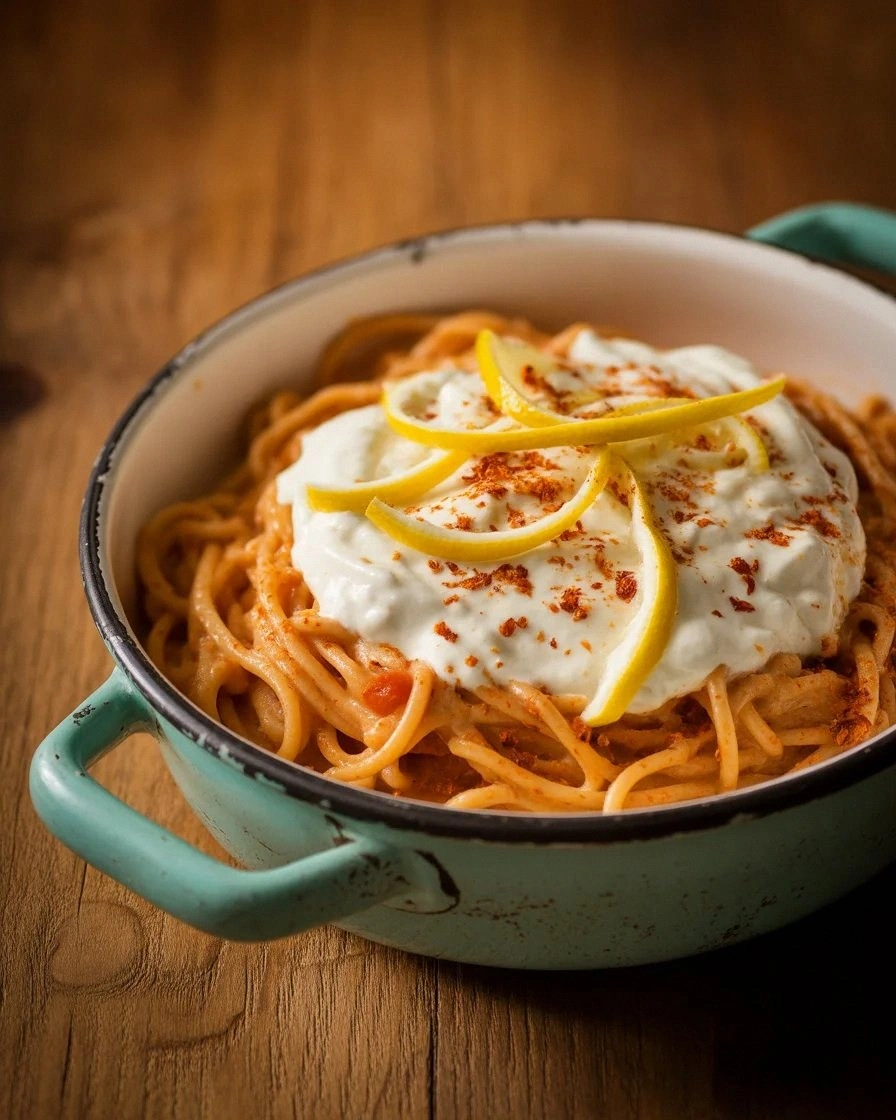
This version of lemon ricotta pasta stands out because it eliminates the endless juggling act of multiple pots and pans. By combining pasta, sauce, and protein in a single pan, the cleanup is almost nonexistent, and the flavors meld in real time. The ricotta gives the sauce a silky texture that feels like a gentle hug, while the lemon zest injects a bright, almost electric freshness that cuts through the richness. Toasted pine nuts add a subtle crunch that contrasts with the softness, and the herbs bring a fragrant, green note that elevates the dish beyond ordinary comfort food. It’s a recipe that feels like a hug in a bowl—warm, familiar, and surprisingly sophisticated.
And here’s the kicker: I’ve discovered a trick that will make you question every other lemon ricotta recipe you’ve ever tried. I dare you to taste this and not go back for seconds. Let me walk you through every single step—by the end, you’ll wonder how you ever made it any other way.
What Makes This Version Stand Out
- Texture: The ricotta turns the sauce into a cloud‑like coating that clings to each noodle, creating a silky mouthfeel that feels indulgent without being heavy.
- Flavor Balance: The bright citrus of lemon zest and juice cuts through the creaminess, delivering a fresh punch that keeps the dish lively.
- One‑Pot Simplicity: All components cook together, reducing prep time and cleaning hassle while allowing flavors to mingle naturally.
- Protein Boost: Shredded chicken adds substance, making the dish hearty enough for a main course yet light enough to feel like a comforting treat.
- Crunch Factor: Toasted pine nuts provide a satisfying contrast, adding texture that prevents the dish from feeling too smooth.
- Herbaceous Finish: Fresh basil or parsley brightens the sauce and offers a fragrant, aromatic finish that elevates the overall profile.
- Versatile Base: Whether you’re a pasta purist or a creative cook, the base can be adapted with different proteins or veggies without losing its core identity.
- Make‑Ahead Friendly: The sauce can be prepared ahead and reheated, making it a reliable go‑to for busy weekdays or last‑minute gatherings.
Alright, let's break down exactly what goes into this masterpiece...
Inside the Ingredient List
The Flavor Base
12 oz pasta (spaghetti, penne, or fusilli): The choice of pasta shapes determines the dish’s bite and how the sauce adheres to each strand. Spaghetti offers a classic feel, penne provides pockets for sauce, and fusilli wraps the creamy mixture around its ridges. Skipping pasta would leave the dish feeling incomplete; it’s the canvas upon which every flavor is painted.
1 tbsp olive oil: This isn’t just a cooking medium; it’s the first layer of flavor that sautés the aromatics and helps the lemon zest release its oils. Olive oil also prevents the ricotta from sticking to the pan, creating a smooth sauce. If you’re watching calories, a light spray works fine, but the full tablespoon ensures a richer base.
The Texture Crew
1 cup ricotta cheese: Ricotta’s creamy, slightly grainy texture transforms the sauce into a velvety blanket for the pasta. It also contributes protein and a subtle tang that balances the lemon’s brightness. If you prefer a firmer texture, use a blend of ricotta and cream cheese for a thicker consistency.
1 cup frozen peas or spinach: The green burst of color and gentle sweetness from peas, or the earthy depth of spinach, adds a wholesome element to the dish. They also introduce a pleasant bite that contrasts with the sauce’s smoothness. Skipping them may make the dish feel a bit flat, but the recipe still shines.
The Unexpected Star
1 cup shredded chicken: This protein elevates the dish from a side to a satisfying main course. It absorbs the lemony sauce, becoming a savory partner to the ricotta. If you’re vegetarian, substitute with sautéed mushrooms or chickpeas for a plant‑based protein boost.
1 large fresh lemon (zest and juice): The lemon is the heart of this recipe, providing brightness that cuts through the ricotta’s richness. The zest offers aromatic oils, while the juice adds acidity that brightens the entire dish. A pinch of lemon zest can make or break the flavor profile—don’t skip it.
The Final Flourish
2 tbsp chopped fresh herbs (basil or parsley): Fresh herbs add a green, aromatic note that lifts the dish. Basil offers sweetness, while parsley brings a clean, peppery finish. They also add a pop of color that makes the dish visually appealing.
2 tbsp toasted pine nuts: Toasted pine nuts bring a nutty crunch that balances the sauce’s creaminess. They also add a subtle, buttery flavor that complements the lemon. If pine nuts are unavailable, slivered almonds or walnuts work as a crunchy alternative.
Salt and black pepper to taste: Seasoning is the final touch that brings all flavors together. A pinch of salt enhances the lemon’s brightness, while black pepper adds a mild heat. Over‑salting can mask the citrus, so taste as you go.
Everything's prepped? Good. Let's get into the real action...
The Method — Step by Step
- Heat the olive oil in a large, deep skillet or sauté pan over medium heat until it shimmers. Add the lemon zest and let it sizzle for 30 seconds, releasing the essential oils into the oil. The aroma should feel like a burst of sunshine, instantly lifting the kitchen atmosphere. Keep the heat steady to avoid burning the zest.
- Introduce the pasta to the pan, stirring gently to coat each strand with the lemon‑oil mixture. Pour in enough water to just cover the pasta—about 4 cups for 12 oz. Bring to a gentle boil, then reduce to a simmer. This single pot method means you’ll never have to juggle separate pans.
- While the pasta cooks, toss the shredded chicken, frozen peas, and any optional veggies into the pan. Stir to combine, letting the chicken absorb the lemony flavor. The vegetables will steam in the pasta water, retaining their bright color. This step ensures everything cooks uniformly.
- When the pasta reaches al dente (about 8–10 minutes), reduce the heat to low and stir in the ricotta, lemon juice, and a generous pinch of salt. The ricotta will begin to melt, forming a silky sauce that clings to each noodle. Keep the heat low to prevent curdling.
- Add the chopped herbs and toasted pine nuts, stirring until everything is evenly distributed. The herbs should give off a fragrant aroma that signals the dish is almost ready. The pine nuts add a subtle crunch that contrasts the sauce’s silkiness.
- Taste the sauce, then adjust seasoning with more salt or a pinch of black pepper. The final flavor should be bright, slightly sweet, and richly creamy. If the sauce feels too thick, a tablespoon of pasta water can thin it out.
- Serve immediately, garnished with an extra sprinkle of herbs and a few pine nuts on top. The dish should look glossy, with each noodle coated in a luminous lemon‑ricotta sauce. The aroma will be inviting, making the first bite feel like a warm hug.
- If you have leftovers, store them in an airtight container in the fridge for up to 2 days. Reheat gently in a pan with a splash of milk or broth to restore creaminess. Serve hot for the best experience.
That's it — you did it. But hold on, I've got a few more tricks that'll take this to another level...
Insider Tricks for Flawless Results
The Temperature Rule Nobody Follows
Cooking the pasta in the same pan as the sauce means the heat must be carefully balanced. If the heat is too high, the ricotta will curdle; if too low, the pasta will stay mushy. Keep the simmer gentle and let the pasta finish cooking in the sauce itself. I learned this after a disastrous attempt where the sauce separated and the pasta was over‑cooked.
Why Your Nose Knows Best
The aroma of lemon zest sizzling in olive oil is a clear sign that the oil is hot enough to release its oils. If you smell nothing, the oil is under‑heated, and the flavor will be flat. Trust your nose to gauge the ideal temperature before adding the pasta.
The 5‑Minute Rest That Changes Everything
Once the pasta is cooked and the ricotta sauce is silky, let the dish sit for five minutes off the heat. This rest allows the sauce to thicken slightly and the flavors to meld, giving the dish a more cohesive taste. Skipping this step can leave the sauce feeling thin.
Stirring Technique for Even Coating
Use a wooden spoon to stir in a circular motion, ensuring each noodle is coated without breaking the strands. A gentle stir prevents the pasta from sticking together and keeps the sauce evenly distributed. This simple technique saves you from a soggy mess.
Finishing with Fresh Herbs
Adding herbs at the very end preserves their bright flavor and color. If you add them too early, they’ll wilt and lose vibrancy. A quick sprinkle right before serving keeps the dish looking fresh and aromatic.
Reheating Without Drying Out
When reheating leftovers, add a splash of milk or broth to the pan and stir until the sauce re‑emulsifies. This prevents the ricotta from drying out and keeps the dish silky. I always keep a small cup of broth handy for this purpose.
Creative Twists and Variations
This recipe is a playground. Here are some of my favorite ways to switch things up:
Midnight Mushroom Medley
Swap the chicken for sautéed shiitake and cremini mushrooms. Their earthy umami pairs wonderfully with lemon, and the mushrooms add a meaty texture that satisfies the appetite for a hearty dish.
Spinach and Goat Cheese Fusion
Replace ricotta with goat cheese for a tangier sauce, and add fresh spinach instead of frozen peas. The goat cheese’s sharpness complements the lemon’s brightness, creating a sophisticated flavor profile.
Greek Yogurt Twist
Use thick Greek yogurt in place of ricotta for a lower‑fat version. The yogurt provides a creamy texture while adding a slight tang that harmonizes with the lemon zest.
Spicy Sriracha Kick
Stir in a teaspoon of Sriracha or chili flakes to give the dish a subtle heat. The spice contrasts the citrus, offering a layered experience that excites the palate.
Almond Crumble Crunch
Swap pine nuts for toasted almond slivers for a nuttier crunch. Almonds also bring a sweet, buttery flavor that complements the lemony sauce.
Vegetarian Protein Boost
Add a handful of cooked quinoa or chickpeas to the pan. These plant‑based proteins absorb the sauce beautifully, making the dish filling and nutritious.
Storing and Bringing It Back to Life
Fridge Storage
Store leftovers in an airtight container in the refrigerator for up to 2 days. The sauce may thicken slightly; a splash of milk or broth before reheating restores its silky texture.
Freezer Friendly
Freeze portions in a freezer‑safe container for up to 1 month. Thaw overnight in the fridge, then reheat gently on the stove with a splash of water or broth to prevent the ricotta from separating.
Best Reheating Method
Reheat in a skillet over low heat, stirring constantly and adding a small amount of liquid to keep the sauce from drying out. This method preserves the sauce’s creaminess and ensures the pasta stays tender.