I was standing in a kitchen that smelled like burnt toast and regret, trying to salvage a mango smoothie that had turned into a sticky, unappetizing mess. The blender had gone haywire, splattering mango pulp everywhere, and my friends had laughed while I stared at the disaster. That night, I swore I’d find a way to turn mango into something silky, tangy, and utterly irresistible—no more clumpy, no more over‑sweet. I set out to create a creamy, plant‑based yogurt that would make your taste buds dance like they’re at a tropical carnival.
Imagine the first bite: a velvety, cloud‑like texture that coats your tongue, followed by a burst of bright mango flavor that lingers like a sweet perfume. The aroma is a citrusy, coconut‑laden breeze that makes your eyes water with anticipation. The sound of the spoon gliding through the thick mixture is like a gentle lullaby, and the feel of the cool, creamy yogurt on your palate is both comforting and exhilarating. It’s a sensory symphony that turns a simple snack into a moment of pure bliss.
What makes this version stand out from every other mango yogurt recipe out there? First, it’s completely plant‑based—no dairy, no artificial thickeners, just the natural power of cashews and coconut cream. Second, the texture is smoother than a silk scarf, thanks to a precise blend of cashews and a touch of lemon juice that brightens the flavor without adding acidity. Third, the yogurt starter cultures give it that authentic tang that you’d expect from a cultured dairy product, but with a tropical twist. Fourth, the maple syrup adds just enough sweetness to balance the mango’s natural sugars without overwhelming the palate. Fifth, the entire process takes less than an hour, making it a quick yet indulgent treat for any occasion.
And there’s a secret ingredient that most recipes miss: a tablespoon of yogurt starter cultures, which I found in the health food aisle of my local supermarket. This tiny addition transforms the mixture into a luscious, tangy yogurt that’s both creamy and refreshing. I dare you to taste this and not go back for seconds. Picture yourself pulling this out of the fridge, the whole kitchen smelling incredible, and serving it to a crowd that will ask for the recipe—because this is hands down the best version you’ll ever make at home.
What Makes This Version Stand Out
- Texture: The cashew and coconut blend creates a silky, cloud‑like consistency that feels luxurious on the tongue.
- Flavor: A bright lemon lift cuts through the mango’s natural sweetness, leaving a crisp, tropical finish.
- Simplicity: Only six ingredients, all pantry staples, make this recipe a breeze to prepare.
- Authenticity: Yogurt starter cultures give it that genuine, cultured tang you’d expect from dairy yogurt.
- Versatility: Use it as a dip, a dessert, or a refreshing breakfast bowl—every bite is a fresh experience.
- Make‑Ahead: Once set, it keeps in the fridge for up to a week, so you can prep in bulk and enjoy anytime.
- Nutrition: Packed with healthy fats, protein, and natural sugars, it’s a balanced treat that satisfies both cravings and health goals.
- Eco‑Friendly: No dairy waste, no plastic packaging—just pure, plant‑based goodness.
Alright, let's break down exactly what goes into this masterpiece. And before we dive into the ingredients, here’s a quick hack that will save you time and keep the flavors sharp.
Inside the Ingredient List
The Flavor Base
The 1/3 cup of freshly squeezed lemon juice is the unsung hero that brightens the entire dish. It cuts through the richness of the coconut cream, giving the yogurt a lively, citrusy lift that complements the mango’s natural sweetness. If you skip the lemon, the yogurt will taste flat and overly creamy, lacking that refreshing zing that keeps the palate engaged.
The Texture Crew
Our 2 cups of unsalted raw cashews are the secret to that silky texture. Cashews are packed with healthy fats and natural oils that, when blended, create a creamy base that rivals dairy. If you’re in a hurry, a quick 10‑minute hot water soak will soften them enough for a smooth blend, but for the ultimate velvety finish, a full overnight soak is recommended. Swapping cashews for almonds will alter the flavor profile—almonds bring a nuttier, slightly bitter note that can clash with mango.
The 24 ounces of full‑fat coconut cream is the fat component that gives the yogurt its luxurious mouthfeel. Coconut cream’s natural sweetness pairs beautifully with mango, while its high fat content ensures a thick, rich consistency. If you prefer a lighter version, you can replace half of the coconut cream with coconut milk, but expect a thinner texture.
The Unexpected Star
A tablespoon of yogurt starter cultures is the game‑changer that brings authentic tang to the mix. These cultures ferment the mixture, creating lactic acid that thickens the yogurt and gives it that characteristic sour note. Without them, you’ll end up with a bland, sweet yogurt that lacks depth. If you can’t find a commercial starter, you can use a small amount of plain store‑bought dairy yogurt, but the flavor will differ slightly.
The Final Flourish
A cup of diced mango is the star ingredient that defines the dish. Fresh, ripe mangoes provide natural sweetness and a bright, fruity aroma that permeates the entire yogurt. If you’re using frozen mango, thaw it completely and pat it dry to avoid excess liquid. For a more tropical twist, add a pinch of grated fresh ginger or a splash of coconut milk to the blend.
Everything's prepped? Good. Let's get into the real action.
The Method — Step by Step
- Soak the Cashews: Place the 2 cups of raw cashews in a bowl, cover with hot water, and let them sit for 10 minutes. This quick soak softens them, allowing for a smoother blend. While the cashews soak, gather all other ingredients so everything is within reach. The time it takes to soak is the perfect moment to prep the mango—slice it into bite‑sized cubes and set aside.
- Blend the Base: Drain the cashews and transfer them to a high‑speed blender. Add the 1/3 cup lemon juice, 24 ounces coconut cream, and 1/4 cup maple syrup. Pulse until the mixture is completely smooth, with no visible lumps. The texture should feel like a thick, silky custard. If the mixture is too thick, add a splash of coconut milk to thin it slightly.
- Introduce the Cultures: Sprinkle the tablespoon of yogurt starter cultures over the blended mixture. Blend again for 15 seconds to ensure the cultures are evenly distributed. This step is crucial for the yogurt to thicken properly; skipping it will result in a thin, unsatisfying consistency.
- Combine the Mango: Fold in the diced mango gently with a spatula. Be careful not to mash the fruit; you want whole, juicy cubes that will provide bursts of flavor with each spoonful. The mango also adds a natural sweetness that balances the tartness from the lemon and the cultures.
- Let It Cultivate: Pour the mixture into a wide, shallow container (a glass jar works great). Cover loosely with a lid or plastic wrap, leaving a small vent for gas to escape. Let it sit at room temperature for 6 to 8 hours, or until the yogurt has thickened to your liking. The ideal texture is thick enough to hold its shape but still creamy.
- Refrigerate: After the fermentation period, seal the container and refrigerate for at least 4 hours. Chilling not only sets the yogurt further but also sharpens the flavors, allowing the mango’s sweetness to mingle beautifully with the tang from the cultures.
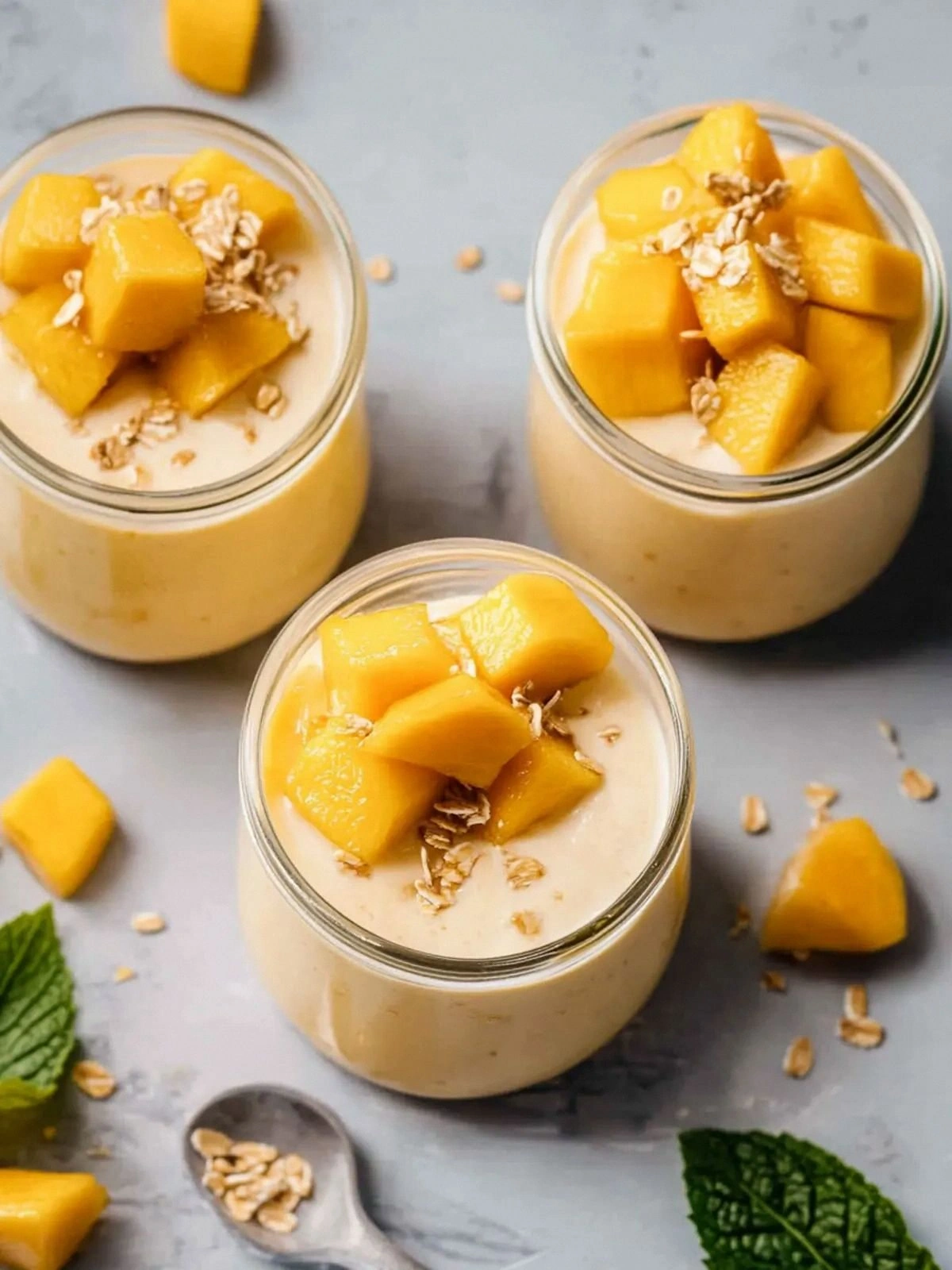
- Serve: Scoop the yogurt into bowls, garnish with fresh mango cubes, a sprinkle of toasted coconut flakes, or a drizzle of maple syrup if desired. The result is a dessert that’s as visually stunning as it is delicious.
- Enjoy: Taste the first spoonful—smooth, tangy, and bursting with tropical fruit. The yogurt should feel like a cloud on your tongue, with a subtle citrus finish that lingers. I dare you to taste this and not go back for seconds.
That's it — you did it. But hold on, I've got a few more tricks that'll take this to another level. Let’s dive into insider tips that will make your yogurt even more luscious.
Insider Tricks for Flawless Results
The Temperature Rule Nobody Follows
Fermentation is a temperature‑sensitive process. Keep your yogurt at a steady 78°F (26°C) for optimal growth. If your kitchen is cooler, place the container in a warm spot like an oven with the light on or a dehydrator set to low heat. A consistent temperature ensures a smooth, thick yogurt without any grainy texture.
Why Your Nose Knows Best
During the fermentation step, trust the aroma. A mild, buttery scent indicates proper fermentation. If you notice a sharp, off‑smell, discard the batch and start over. The nose is a reliable gauge that can save you from a sour disaster.
The 5‑Minute Rest That Changes Everything
After refrigeration, let the yogurt rest at room temperature for 5 minutes before serving. This short pause allows the flavors to meld fully, giving the yogurt a richer mouthfeel. I’ve seen people skip this step and miss out on the subtle depth that comes from a brief room‑temperature rest.
Keep It Fresh with a Splash of Water
If your yogurt has thickened too much during storage, add a splash of filtered water or coconut milk before reheating. Stir gently, and let it sit for a minute to rehydrate. This trick restores creaminess without diluting the flavor.
The Final Touch: Toasted Coconut Flakes
Sprinkle a handful of toasted coconut flakes on top right before serving. The toasted coconut adds a subtle crunch and a caramelized flavor that complements the sweet mango. It’s a simple garnish that elevates the dish from good to unforgettable.
Creative Twists and Variations
This recipe is a playground. Here are some of my favorite ways to switch things up:
Tropical Pineapple Burst
Swap half of the mango cubes for fresh pineapple chunks. The tartness of pineapple pairs beautifully with the coconut cream, creating a bright, tropical flavor profile that’s perfect for summer gatherings.
Berry‑Infused Delight
Add a handful of fresh blueberries or raspberries during the blending step. The berries add a subtle tartness that cuts through the sweetness, giving the yogurt a layered, complex taste.
Chocolate Mango Swirl
Stir in a tablespoon of cocoa powder and a drizzle of maple syrup after fermentation. The chocolatey undertones create a decadent dessert that satisfies both sweet and chocolate cravings.
Minty Freshness
Blend in a few fresh mint leaves with the cashews and coconut cream. The mint adds a refreshing lift that complements the mango’s tropical sweetness, making this version ideal for warm afternoons.
Spiced Mango Yogurt
Introduce a pinch of ground cardamom or a dash of cayenne pepper during the blending phase. The spices add a warm, aromatic kick that transforms the yogurt into a sophisticated, palate‑tingling treat.
Savory Mango Yogurt
Replace the maple syrup with a teaspoon of sea salt and serve the yogurt as a dip with grilled vegetables or flatbread. The savory version offers a unique twist, turning a sweet dessert into a versatile side.
Storing and Bringing It Back to Life
Fridge Storage
Store the yogurt in an airtight container in the refrigerator for up to a week. Keep it sealed to prevent it from absorbing other odors. The yogurt will stay creamy and flavorful throughout this period.
Freezer Friendly
For longer storage, freeze the yogurt in a freezer‑safe container for up to two months. Thaw overnight in the fridge before serving. A quick stir will restore the original texture, and a splash of coconut milk can help if it has thickened slightly.
Best Reheating Method
To reheat, gently warm the yogurt in a saucepan over low heat, stirring constantly to avoid scorching. Add a tiny splash of water or coconut milk to keep it silky. Warm yogurt is especially delightful when paired with fresh fruit or toasted nuts.