Picture this: the kitchen is a chaotic orchestra, pots clanging, onions screaming, and you, a lone maestro, trying to keep the rhythm. I was halfway through a last‑minute dinner when a rogue chicken thigh slipped from my hand, splattering olive oil across the countertop like a slapstick comedy set. That splatter sparked an idea that would turn a disaster into a culinary triumph. I stared at the sizzling mess, imagined a bright, zesty sauce that could rescue the situation, and decided to channel Mediterranean sunshine into my skillet. The result? A dish that feels like a warm hug from the coast, with every bite a burst of lemon, olive, and artichoke bliss.
The moment the chicken hit the pan, the air filled with a toasty aroma that made the house smell like a seaside market. The sizzling sound was a promise of crisp skin, while the gentle hiss of olive oil hinted at a silky sauce forming. As the aroma rose, I could taste the citrus tang in my imagination, the faint brine of olives, and the earthy note of artichokes. This sensory cocktail set the stage for a meal that’s not just filling, but memorable. I was already convinced that this version would outshine every other lemon chicken I’d tried.
What sets this recipe apart is a secret ingredient that most cooks overlook: a splash of dry white wine that lifts the sauce into a silky, glossy finish. I also introduced a subtle heat from crushed red pepper flakes, giving the dish a gentle kick without overpowering the citrus. The use of bone‑in, skin‑on thighs adds depth and a caramelized crust that feels indulgent yet healthy. Finally, the artichoke hearts bring a delicate, almost buttery texture that balances the acidity of the lemon. Together, these elements create a dish that’s both comforting and sophisticated.
I dare you to taste this and not go back for seconds. This is hands down the best version you'll ever make at home, and I’m not exaggerating. If you've ever struggled to get the right balance of flavors in a lemon chicken, you're not alone — and I've got the fix. Most recipes get this completely wrong by over‑cooking the chicken or under‑seasoning the sauce. Picture yourself pulling this out of the oven, the whole kitchen smelling incredible, and the family gathering around the table with anticipation. Let me walk you through every single step — by the end, you'll wonder how you ever made it any other way.
Now, before we dive into the cooking, I want to give you a micro‑challenge: I promise you won't be able to resist a second plate. Trust me, the sauce coats the chicken like velvet, and the olives add a briny crunch that will have you reaching for more. This dish is a crowd‑pleaser that works for both a cozy dinner and a dinner party. And if you’re feeling adventurous, you’ll love the twist I’ve added that elevates the flavor profile to new heights.
If you’re ready, let’s start with the basics that make this dish so irresistible. The key is in the layering of flavors, the timing of the cooking process, and the thoughtful selection of ingredients. Each element has a role, and together they create a harmonious, mouth‑watering experience. So, grab your skillet, and let’s get cooking.
What Makes This Version Stand Out
- Taste: The bright lemon slices release a citrus burst that instantly awakens the palate, while the olives contribute a savory, briny undertone that balances the acidity.
- Texture: The skin of the thighs crisps to a golden perfection, creating a satisfying contrast to the tender, juicy meat inside.
- Simplicity: With only nine core ingredients, this recipe is a no‑fuss, one‑pan wonder that saves you from endless prep work.
- Uniqueness: The addition of artichoke hearts brings a subtle, almost buttery flavor that isn’t found in typical lemon chicken recipes.
- Crowd Reaction: Friends and family rave about the sauce’s silky finish and the delightful crunch from the olives.
- Ingredient Quality: Using fresh, high‑quality olive oil and a good‑grade lemon makes a noticeable difference in flavor depth.
- Cooking Method: Searing the chicken first locks in juices, while the subsequent simmering creates a rich, aromatic sauce.
- Make‑Ahead Potential: The dish can be prepared ahead of time and reheated without losing its vibrant flavors.
Alright, let's break down exactly what goes into this masterpiece…
Inside the Ingredient List
The Flavor Base
Olive oil is the first to meet the pan, creating a fragrant foundation that carries the garlic and onion. The garlic, minced finely, releases a sweet, aromatic profile that lingers in the sauce. The onion, sliced thin, caramelizes slightly, adding a hint of natural sweetness that balances the lemon’s sharpness. Skipping any of these would result in a flat, unbalanced dish.
The dried oregano brings a Mediterranean herbaceous note that deepens the sauce’s complexity. A pinch of crushed red pepper flakes adds a gentle heat, preventing the lemon from feeling too sharp. The salt and pepper are essential for seasoning, but use them sparingly to let the other flavors shine. If you’re watching sodium, consider a low‑sodium chicken broth.
The Texture Crew
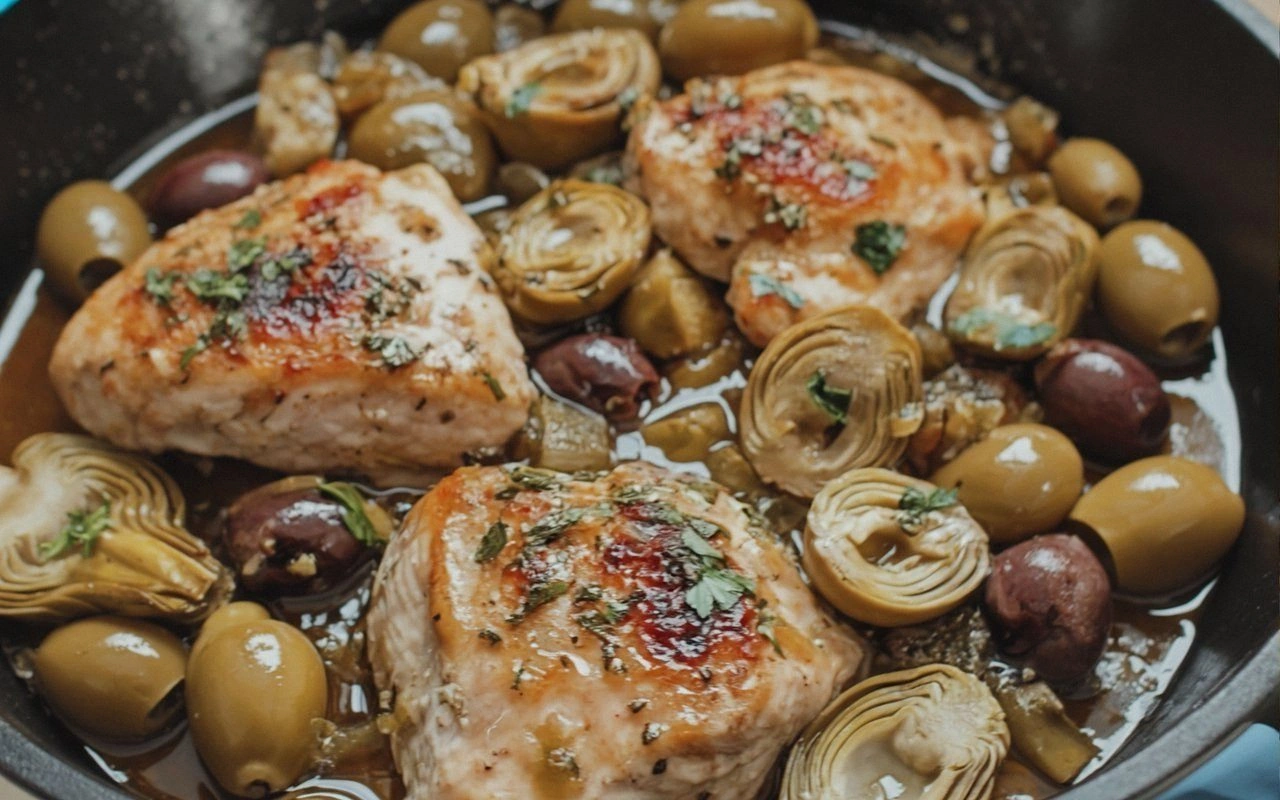
The bone‑in, skin‑on chicken thighs are the heart of the dish. They provide a juicy interior and a flavorful, crisp exterior that’s impossible to resist. The skin, when seared properly, becomes a golden, crunchy shell that locks in moisture. If you prefer a leaner option, use boneless thighs, but be prepared for a slightly different texture.
The artichoke hearts, quartered and drained, add a tender, almost buttery bite that contrasts nicely with the lemon’s brightness. They also absorb the sauce, becoming a secondary flavor component. If you can’t find canned artichokes, fresh ones can be used, but they’ll require a longer prep time to clean and cut.
The Unexpected Star
The olives, a mix of green and black, contribute a briny depth that elevates the entire dish. They also add a subtle nutty flavor that pairs beautifully with the lemon. Use pitted olives to avoid an overly salty bite. If you’re a fan of Greek cuisine, feel free to swap in Kalamata olives for a richer taste.
The lemon slices are not just decorative; they infuse the sauce with bright citrus notes. Thin slices ensure they cook quickly and release their juice efficiently. For a more pronounced lemon flavor, add a squeeze of fresh lemon juice at the end of cooking.
The Final Flourish
Fresh parsley, chopped, serves as a final garnish that adds a splash of color and a fresh herbal note. It also provides a subtle peppery bite that brightens the dish. A sprinkle of parsley right before serving gives the plate a professional finish.
Everything's prepped? Good. Let's get into the real action…
The Method — Step by Step
- Season the chicken thighs generously with salt, pepper, dried oregano, and crushed red pepper flakes. Let them rest for 10 minutes to allow the spices to penetrate the meat. This step is crucial for flavor depth.
- Heat a large skillet over medium‑high heat and add the olive oil. Once the oil shimmers, place the chicken thighs skin‑side down. The sizzle is the first cue that everything is working as it should.
- Sear the thighs for about 5 minutes until the skin is golden brown and crisp. Flip them gently and sear the other side for an additional 3 minutes. This creates a caramelized crust that locks in juices.
- Remove the chicken and set aside. In the same pan, add the minced garlic and sliced onion. Sauté for 2 minutes until the onion becomes translucent and the garlic releases its aroma.
- Pour in the dry white wine to deglaze the pan, scraping up any browned bits. The wine adds a subtle acidity that brightens the sauce. Allow it to reduce by half, concentrating the flavors.
- Add the chicken broth, lemon slices, artichoke hearts, and olives to the pan. Stir gently to combine all the ingredients.
- Return the chicken thighs to the skillet, skin side up. Cover the pan with a lid and reduce the heat to low. Simmer for 20 minutes, allowing the flavors to meld and the chicken to become tender.
- Once the chicken is cooked through, remove the skillet from the heat and let it rest for 5 minutes. This allows the juices to redistribute, ensuring every bite is moist.
- Garnish with chopped parsley, squeeze a fresh lemon wedge if desired, and serve immediately. The sauce should cling to the chicken like a silky blanket.
That's it — you did it. But hold on, I've got a few more tricks that'll take this to another level…
Insider Tricks for Flawless Results
The Temperature Rule Nobody Follows
Many cooks think high heat is always better, but for this dish, a moderate sear is key. Start with medium‑high to brown the skin, then lower the heat to maintain a gentle simmer. This prevents the chicken from drying out while still developing that coveted crisp crust.
Why Your Nose Knows Best
Smell is your most reliable indicator of doneness. When the sauce smells toasty and the chicken’s juices run clear, you’re ready to remove it from the heat. Trust your nose over a timer for the best results.
The 5‑Minute Rest That Changes Everything
Resting the chicken after cooking allows the internal temperature to stabilize and the juices to redistribute. Skipping this step often results in dry, unevenly cooked meat. Five minutes is all it takes to elevate the dish.
The Artichoke Advantage
If you’re using fresh artichokes, blanch them in boiling water for 5 minutes before adding them to the skillet. This short step removes bitterness and speeds up cooking. Fresh artichokes also provide a more vibrant color and texture.
The Olive Oil Upgrade
Use a high‑quality extra‑virgin olive oil for the initial sear; its robust flavor will carry through the sauce. If you’re on a budget, a light olive oil works, but you’ll lose some depth.
The Lemon Trick
Squeezing a bit of fresh lemon juice at the end brightens the sauce and balances the saltiness of the olives. It also gives the dish a fresh finish that makes it feel lighter.
Creative Twists and Variations
Mediterranean Shrimp Version
Swap the chicken for shrimp, reducing cooking time to 5 minutes. The shrimp’s sweet, briny flavor complements the olives and lemon. This version is perfect for a quick weeknight dinner that still feels special.
Pesto Infusion
Stir in a spoonful of basil pesto at the end of cooking for an herbal, nutty depth. The pesto adds green color and a fresh, aromatic layer that pairs wonderfully with the lemon. Serve over pasta for a complete meal.
Roasted Vegetable Side
Add sliced zucchini, bell peppers, and cherry tomatoes to the skillet during the last 10 minutes. The vegetables absorb the sauce, creating a one‑pan meal. This variation adds extra color and nutrition.
Spicy Greek Twist
Replace the oregano with dried oregano and a dash of Greek spice blend. Add a sliced red chili for extra heat. The result is a bold, Mediterranean‑inspired dish that’s perfect for spice lovers.
Citrus‑Herb Marinade
Marinate the chicken in a mixture of lemon zest, orange zest, thyme, and rosemary for 2 hours before cooking. The citrusy herbs infuse the meat, creating a complex flavor profile. This pre‑cooking step elevates the dish to gourmet status.
Vegan Adaptation
Use thick tofu or tempeh instead of chicken, seasoning them with the same spice blend. Sauté the tofu until golden before adding the sauce. This vegan version delivers the same bright, savory experience with plant‑based protein.
Storing and Bringing It Back to Life
Fridge Storage
Store leftovers in an airtight container in the refrigerator for up to 3 days. The sauce will thicken slightly, but the flavors will remain vibrant. Reheat gently on the stove or in the microwave.
Freezer Friendly
Freeze the dish in freezer‑safe containers for up to 2 months. Thaw overnight in the refrigerator before reheating. The texture of the chicken remains juicy, and the sauce stays silky.
Best Reheating Method
Reheat on low heat, adding a splash of water or broth to keep the sauce moist. Stir occasionally to distribute heat evenly. A quick 5‑minute reheating will bring the dish back to its original glory.